
Foundation Repair and Your Home Sale
A repaired foundation with paperwork behind it sells. An unexplained crack in a listing photo is what costs you money, because a buyer with no information always assumes the expensive version.
- Written scope and measurements within 48 hours
- Warranties transfer to the next owner at no charge
- 20+ in the Chicago market, 1,500+ homes
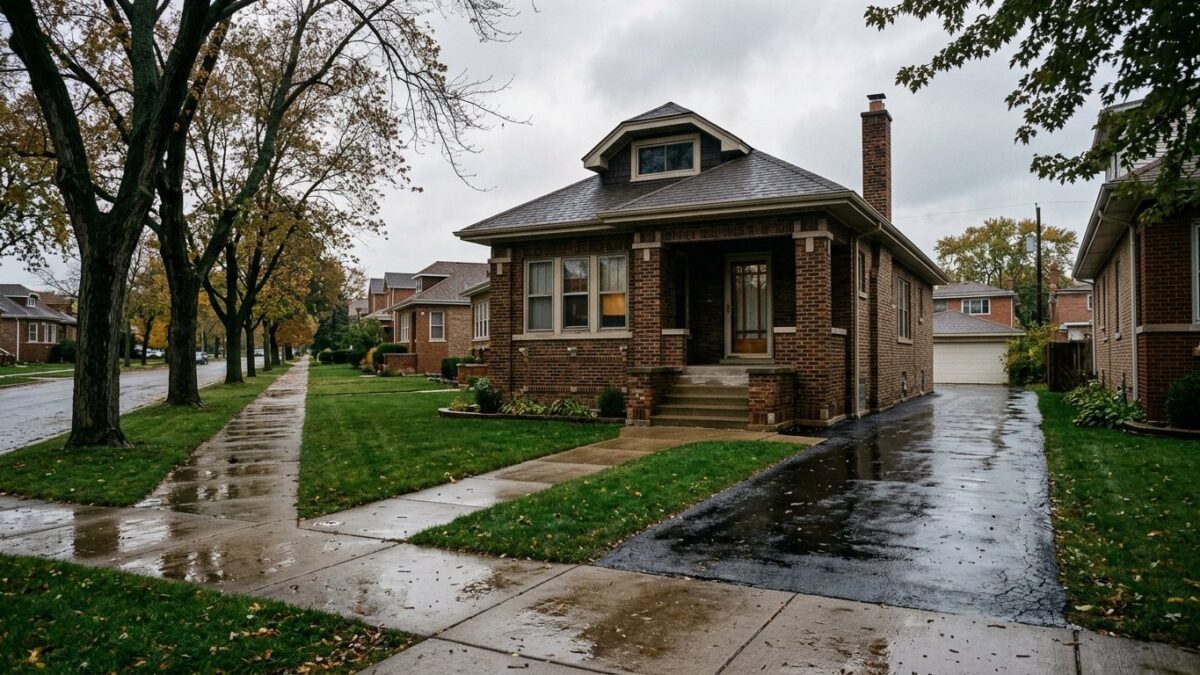 Repairs carry a 25-year transferable warranty
The short answer
Illinois sellers are expected to disclose material defects they know about, and that includes foundation movement and repairs already done. Fixing the problem before listing usually returns more than a closing credit, because buyers price an unknown at worst case. A transferable warranty plus the original written scope turns a scary crack into a document.
A foundation problem rarely kills a sale by itself. What kills the sale is the gap between what the buyer can see and what anyone can prove. A hairline crack with no history behind it invites an inspector's note, then a structural engineer, then a renegotiation built on the highest number anyone has said out loud. The same crack with an invoice, a measured scope and a warranty attached becomes an ordinary line item. The defect is not the risk. The uncertainty around it is.
That gap opens fast here because Chicago buyers already expect basement trouble. Our housing stock is old, our clay swells and shrinks with the season, and almost every inspector in the seven counties opens the basement door first. Buyers walk in looking for stair-step cracks in block, a stained cove joint and a floor that runs downhill toward the sump. Give them answers on paper and they keep moving through the house. If you are still working out what the movement means, start with our foundation repair overview and then come back to the selling decision.
Do I have to disclose foundation repair when I sell in Illinois?
Illinois works on a known material defect principle: you disclose the conditions you actually know about, and repairs you had done are part of what you know. The safe move is always more paper, not less.
Here is how sellers we work with build a file that answers the question before a buyer has to ask it.
-
Write down what you know
List every symptom you have lived with, including the ones that stopped. A wall that seeped for two springs and then went dry after the downspouts moved is still history a buyer is entitled to hear about.
-
Keep the original diagnosis
The inspection report that named the cause matters more than the repair receipt. It shows a professional looked, measured and identified something specific, rather than a homeowner guessing at a stain and painting over it.
-
Save the scope, not just the total
A one-line receipt saying foundation work proves almost nothing. The scope sheet listing pier locations, strap spacing or injected crack count tells the buyer's inspector exactly what was done and where to look.
-
Transfer the warranty in writing
Ours move to the next owner at no charge, but the transfer still needs to be requested and documented. Do it during the listing period so the paperwork sits in the file before offers arrive, not after inspection.
-
Route the legal questions properly
Disclosure forms are a legal document and the specifics vary with your situation. Your real estate attorney or listing agent answers what goes on the form. We answer what the condition is and what the repair covered.
What helps you at the table
- A dated written diagnosis from before the repair
- A measured scope showing quantities and locations
- A 25-year transferable warranty that names the new owner
- Photos of the wall or footing while the work was open
- A structural engineer's letter, when one was involved
What creates suspicion
- Fresh paint on one basement wall and nothing else
- A cash receipt with no company name or scope on it
- A warranty nobody can find, or one that died at closing
- Repairs described verbally that appear nowhere in writing
What happens when the buyer's inspector flags the foundation?
The inspection report does not decide anything by itself. It starts a five-step sequence, and sellers lose money at the step where they have no document to hand over.
This is the order it usually runs in once an offer is accepted.
-
The general inspector writes it up
Home inspectors are not structural engineers, so the language stays broad: evidence of movement, recommend evaluation by a qualified professional. That sentence alone is enough to pause a deal for a week.
-
The buyer asks for a specialist
Now somebody with a level and a tape comes out. If you already had that done, your report is on the table beside theirs, and the conversation is about two measurements instead of one opinion.
-
A number gets attached
Whoever quotes first sets the anchor. Without a published range in the room, buyers commonly imagine a foundation number two or three times the real one, and every counteroffer starts from that imagined figure.
-
The lender and appraiser weigh in
Visible structural distress can affect an appraisal or trigger a repair condition, which turns a private negotiation into a financing problem. That is the point where an unrepaired wall stops being a price issue.
-
You repair, credit or re-list
Repairing under deadline costs more and forces your hand on scheduling. Crediting hands the buyer a number they picked. Re-listing means disclosing everything you just learned to the next buyer anyway.
How to stay ahead of it
- Get the basement diagnosed before the photographer arrives
- Have a published price range on hand, not a guess
- Fix water first, since most cracks the inspector notes are wet
- Know which cracks are cosmetic so you defend the right ones
Where sellers lose money
- Learning about the wall on day four of a ten-day inspection period
- Accepting the first repair number anyone says out loud
- Paying for emergency scheduling to save a closing date
- Crediting a number that exceeds what the work actually costs
Should I repair the foundation or give the buyer a credit?
Both close deals. They just move the risk to different people, and the right one usually depends on how much time you have before the listing goes live.
| Repair before listing | Credit at closing | |
|---|---|---|
| Who sets the price | You do, from published ranges, with time to compare | The buyer does, from their contractor's quote |
| What the buyer sees | A completed repair with a warranty attached | A defect plus money, and their own imagination |
| Effect on showings | The basement stops being the conversation | The listing carries an open question through every tour |
| Timeline pressure | Scheduled on your calendar, not a closing date | Squeezed into an inspection contingency window |
| Typical negotiation drag | One document ends the thread | Reopens at inspection, appraisal and final walkthrough |
| Financing risk | Removed before the appraiser sees it | Can still trip a lender repair condition |
| Warranty value | A 25-year transferable warranty transfers with the house | No warranty exists, because no work was done |
| Best when | You have weeks before listing and a clear diagnosis | You are already under contract and out of time |
A third path exists and it is honest: price the house for its condition, disclose fully and market to buyers who want the discount. Your agent is the right person to say whether that works on your block. Our part is a measured scope and a real number, free within 48 hours through a written estimate.
Listing in the next few months? Get the basement measured and priced in writing now, free within 48 hours, while you still control the schedule.
What buyers expect to find in your era of house
Inspectors in this market carry an era checklist in their heads. Knowing what they are going to write about your house tells you what to document first.

Pre-war bungalows and two-flats
Buyers expect an old basement, so mortar joint repointing and a repaired stair-step crack read as maintenance. What frightens them is fresh water staining with no drainage work anywhere in the file.
Document the water history
Post-war block ranches
Stair-step cracking in block and a wall that leans a half inch is the classic finding here. A carbon fiber or bracing repair with spacing on the scope sheet settles it faster than any verbal reassurance.
Repair, then hand over the scope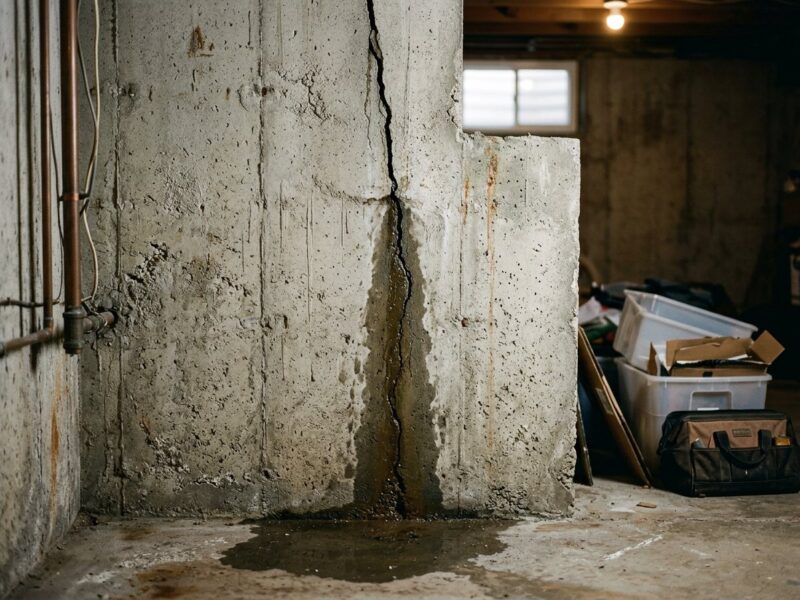
1980s and 90s poured walls
Usually one vertical shrinkage crack that weeps in spring. This is the cheapest thing on this page to close out before listing, and leaving it open costs more in negotiation than the injection does.
Fix it before photos
Newer subdivision homes
Buyers assume a newer house is fine, so any settlement crack lands harder than it would on a bungalow. Grading that has settled against the foundation is often the whole story and the whole fix.
Check the grade firstWhat does it cost to close this out before listing?
These are the published ranges we quote from. One weeping vertical crack in a poured wall runs $450 to $900, which is almost always less than the credit a buyer will ask for once an inspector names it.
| Work | Range | What moves the number |
|---|---|---|
| Urethane crack injectionper crack | $450–$900 | Crack length and width, access to the full height |
| Carbon fiber strapsper strap | $600–$1,000 | Wall height, spacing the deflection requires |
| Wall anchorsper anchor | $1,000–$1,800 | Yard access for the exterior plate, soil conditions |
| Push or helical piersper pier | $1,600–$3,000 | Depth to load-bearing strata, access for equipment |
Settlement work is priced per pier and most jobs need more than one, so a real number depends on how much wall is moving and how deep competent soil sits. We measure it and put the count in writing before you decide anything. Full ranges are on the pricing page.
When you should not repair before you sell
We turn down pre-listing work regularly. Spending money on the wrong thing weeks before closing is worse than disclosing a crack you can explain.
The crack is cosmetic and always was
A tight vertical hairline in a poured wall that has never passed water and has not changed width is a normal curing crack. Measure it, photograph it, disclose it, and spend nothing. The width guide shows where the line sits.
Disclose, do not repairYour agent says the block sells as-is
On some streets, in some price bands, buyers are already discounting for age and a repair will not come back in the sale price. That is a market question, and your listing agent has data we do not.
Ask your agent firstNobody knows yet whether it is moving
A $20 crack gauge and four months of readings answers a question no contractor can answer in one visit. If you are listing next spring rather than next month, monitoring is the smarter spend. What actual movement looks like.
Wait and measureThe wet spot is a plumbing leak
A supply line weeping under a slab or a failed ejector line soaks concrete in a way that looks exactly like seepage in a photo. A licensed plumber finds that in an hour, and no foundation work will touch it.
Not our workQuestions sellers ask us
Does a repaired foundation lower my home value?
A documented repair generally protects value better than an undocumented crack does. Buyers discount for risk, and risk shrinks when they can read what was wrong, what was done and what warranty covers it going forward. The value damage usually happens in the negotiation, not the appraisal, and it happens to sellers who cannot answer basic questions about their own basement. Buyers in this market already assume an older Chicago house has seen some water, so a clean file reads as a well kept house rather than a red flag.
Do I have to tell buyers about a repair I already paid for?
Illinois disclosure rests on what you know about the property, and a repair you commissioned is squarely something you know. Beyond the legal question, hiding it works against you: the evidence is visible in the basement, an inspector will find it, and a discovered repair reads far worse than a disclosed one. Sellers who volunteer the file early tend to face fewer inspection demands, not more. Your attorney or listing agent is the right person to say what goes on the actual form and how to word it.
Does your warranty transfer to the buyer?
Yes. Our foundation work carries a 25-year transferable warranty and our interior waterproofing systems carry a lifetime, fully transferable warranty, and both move to the next owner at no charge. Request the transfer while you are assembling listing paperwork so the document is ready when offers come in rather than during a five day inspection window. The terms, conditions and exclusions are laid out on our <a href="/warranty/">warranty page</a>, and we will send a copy to your agent directly if that is easier.
How long does foundation repair take before I can list?
Crack injection is a few hours and the wall can be painted the same week. Carbon fiber or steel bracing is usually one to two days. Piers take longer and involve excavation outside, so restoration of the lawn adds calendar time. Book the inspection early: the constraint is almost never the crew, it is how far out the schedule already sits after a wet spring. Sellers who call us in February list on time. Sellers who call the week of the open house pay for the compression.
Should I waterproof too, or just do the structural repair?
Fix the structure first, then ask whether water is still arriving. Many walls crack because clay pressure builds when the soil outside stays saturated, so drainage is often part of a permanent answer rather than an upsell. Buyers also read a dry basement differently than a repaired one, because a dry floor is something they can verify with their own eyes on a rainy showing day. The <a href="/basement-waterproofing/waterproofing-before-finishing-or-selling/">selling and finishing guide</a> covers how far to take that decision.
The buyer wants an engineer's letter. Can you provide one?
Not from us, and you should be careful with anyone who says otherwise. A structural engineer is an independent licensed professional with no financial stake in the repair, which is exactly what gives the letter weight at a closing table. We provide the measured scope, the photos from while the work was open, and the warranty document. You hire the engineer separately, they charge a small fraction of the repair, and their report stands on its own at the closing table.
The warranty is the part buyers actually read
A transferable warranty is a selling asset, not a formality. It tells the next owner that the repair has an owner other than them, and it answers the one question every buyer asks after an inspection report: what happens if it comes back. Ours transfer at no charge, and the exclusions are written where anyone can read them before they sign.
Read what our warranties cover
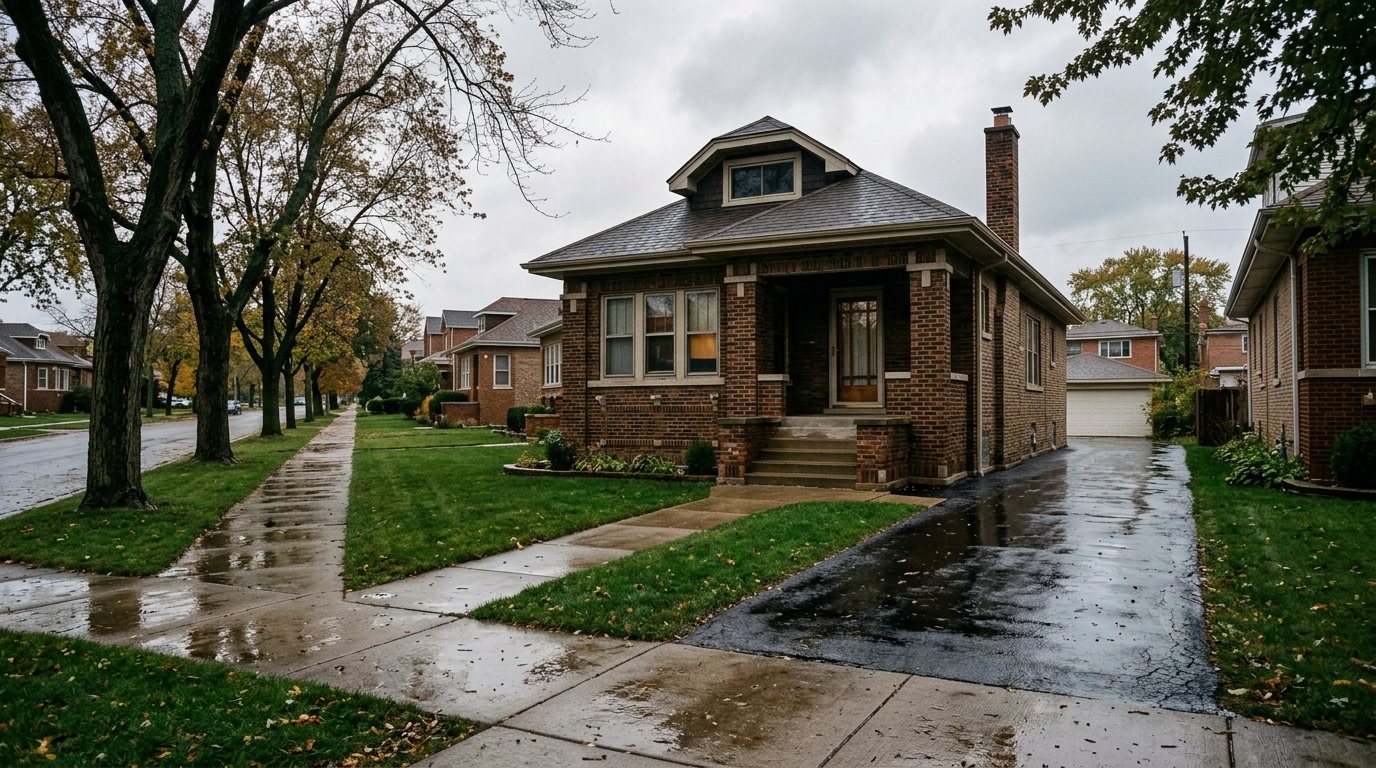
Put a number on it before a buyer does
Free measured diagnosis within 48 hours, published pricing, and warranties that follow the house to its next owner.
Or talk to a human right now
(630) 335-1128
Request your free estimate
Tell us what you're seeing. We'll call back fast and be out within 48 hours.