Foundation Repair in Sycamore, Illinois
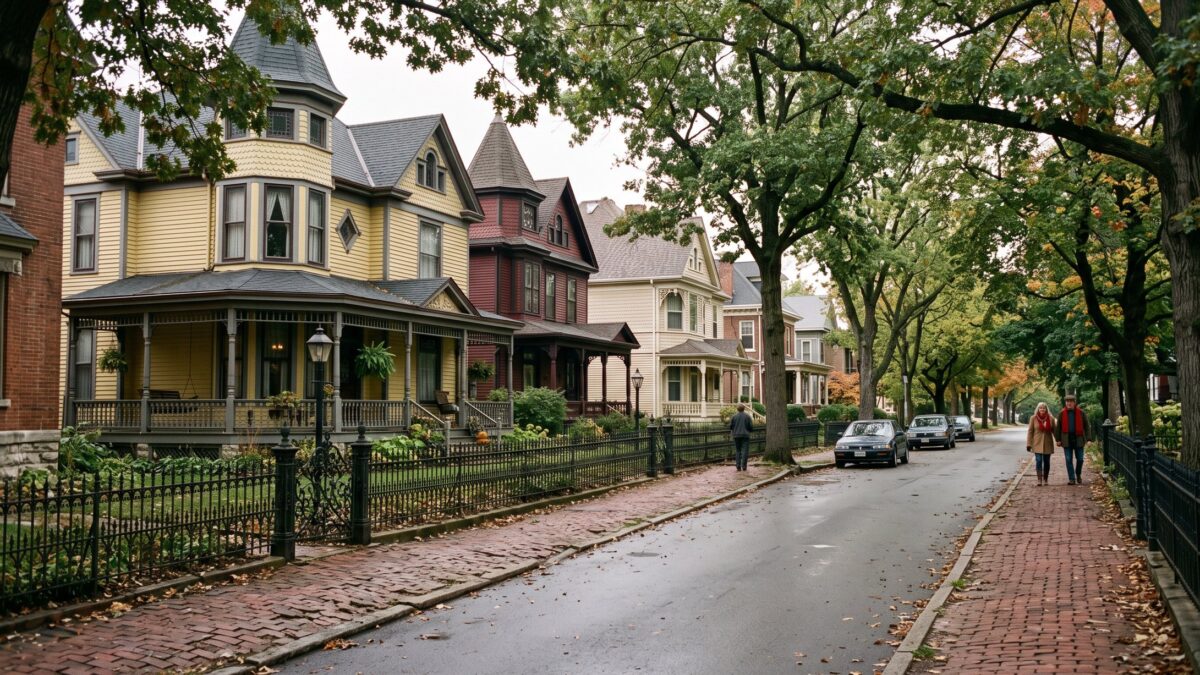
Sycamore keeps one of the most intact nineteenth-century districts in northern Illinois, which means foundations here can be a hundred and forty years old and still doing their job. The craft is telling the movement that stopped in 1920 from the movement happening now, and we bring the measurements to prove which is which.
- Historic stone, rubble and early brick walls handled as the craft they are
- Structural warranty: 25-year transferable
- Free structural inspection within 48 hours
 25-year transferable warranty
Who does foundation repair in Sycamore?
ProSeal Basement Waterproofing repairs foundations across Sycamore from a base in the Joliet and New Lenox corridor, with crack injection at $450 to $900, carbon fiber at $600 to $1,000 per strap, steel beams at $900 to $1,500, and piers at $1,600 to $3,000 each, every price published before the first measurement. Structural work carries a 25-year transferable warranty registered to the house.
Sycamore demands a skill most towns never test: reading age honestly. The historic district holds an unusually complete inventory of houses on limestone, rubble and early brick foundations, listed on the National Register, and most of those walls finished their settling generations ago. The estimator who cannot tell that historic movement from live movement will either scare you into repairs a stable wall does not need or wave off the one crack that is actually new.
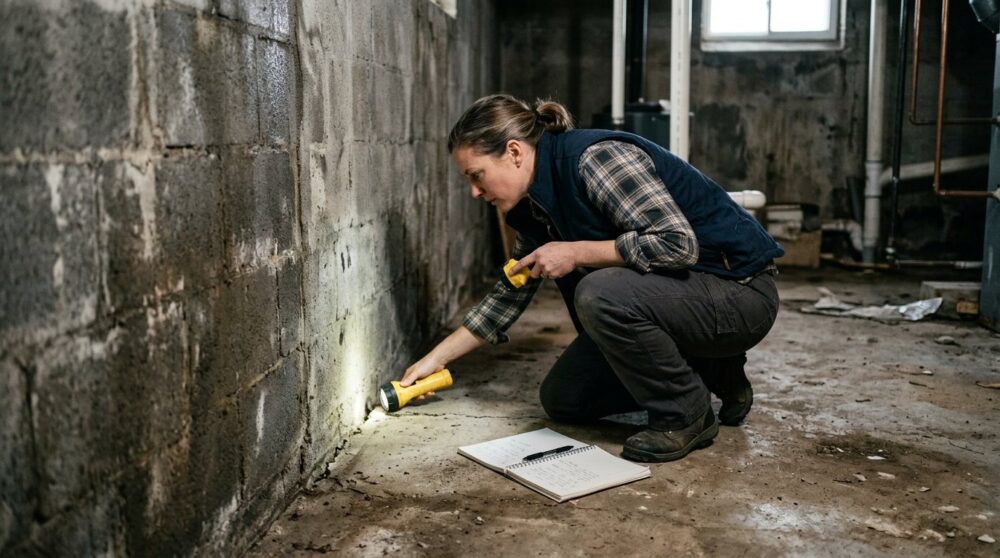 The measurement comes first: old movement and new movement look alike until you put numbers on them.
What does foundation repair in Sycamore include?
Six structural tools cover what Sycamore housing needs, from Victorian-era stone to poured walls off Peace Road, and the cheapest adequate fix always leads the written plan.
 Historic masonry repair
Repointing in soft lime mortar and gentle relief for stone and rubble walls that hold themselves up by mass.
Learn more
Historic masonry repair
Repointing in soft lime mortar and gentle relief for stone and rubble walls that hold themselves up by mass.
Learn more
 Urethane crack injection
Leaking poured-wall cracks in the newer corridors sealed full depth from $450.
Learn more
Urethane crack injection
Leaking poured-wall cracks in the newer corridors sealed full depth from $450.
Learn more
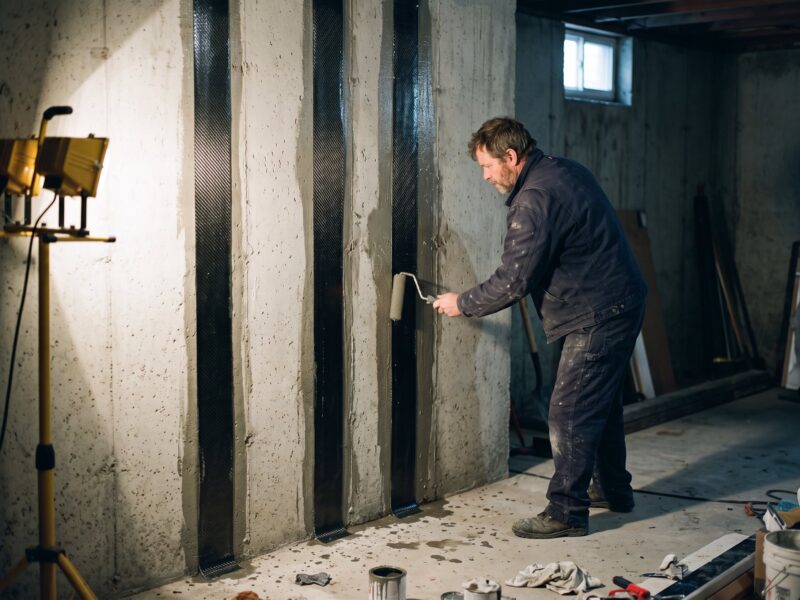 Carbon fiber straps
For block walls caught while the bow is still under two inches.
Learn more
Carbon fiber straps
For block walls caught while the bow is still under two inches.
Learn more
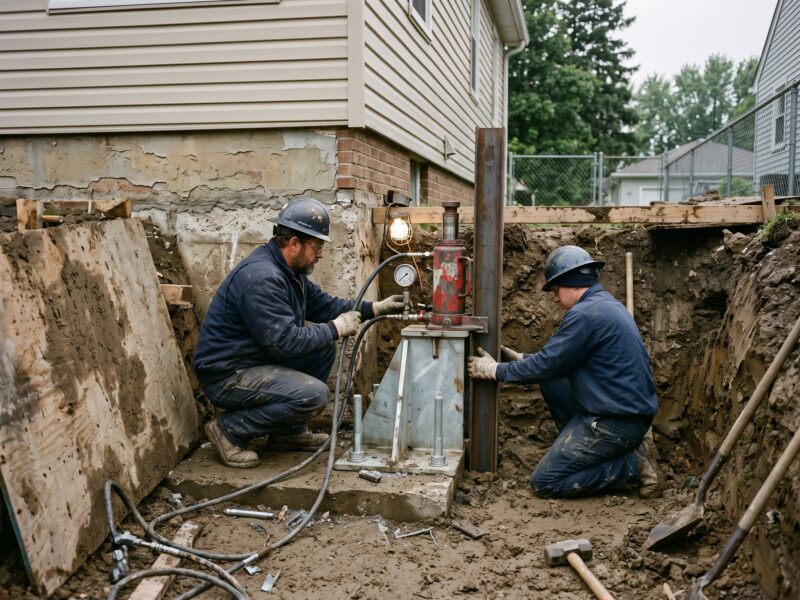 Push & helical piers
For live settlement under newer construction on the flat farmland side of town.
Learn more
Push & helical piers
For live settlement under newer construction on the flat farmland side of town.
Learn more
 House leveling & framing repair
Columns, beams and sistered joists under floors that sagged over a long century.
Learn more
House leveling & framing repair
Columns, beams and sistered joists under floors that sagged over a long century.
Learn more
 Not sure what you have?
A plain-language walk through what old walls do naturally and what should send you to the phone.
Learn more
Not sure what you have?
A plain-language walk through what old walls do naturally and what should send you to the phone.
Learn more
Why do Sycamore foundations crack and settle?
Sycamore foundation problems divide by century: the historic district shows a hundred and forty years of finished movement plus the slow wear of soft mortar, while the newer stock outside it behaves like the rest of DeKalb County, settling into level farm clay while it is young.

The National Register district
Limestone, rubble and early brick walls from the nineteenth century have, in most cases, already done all the settling they are going to do. Their live enemies are mortar loss, moisture cycling and well-meaning repairs done in the wrong material.

The postwar and newer streets
Outside the district, block and poured walls on flat farm clay do their moving early: settlement cracks over openings, a low corner, a stoop drifting from the house. Standard DeKalb County behavior with standard, published fixes.

Additions and conversions
A new addition hung on an 1890s house marries two foundations that move on different schedules. The seam between them is where Sycamore cracks concentrate, and it is the first place we put a gauge.
What makes Sycamore ground and old walls move?
Sycamore sits on flat, tile-drained farmland beside the East Branch of the Kishwaukee River, with the old town holding the slightly higher ground. That elevation is why the historic stock has survived so well: its walls stayed out of the worst of the groundwater, settled into position over their first decades, and have mostly stood quiet since. What still moves in the district is usually the material itself, soft lime mortar slowly washing and weathering out of joints that were laid before portland cement existed.
The distinction matters because the wrong repair is destructive here. Repointing a stone or early brick wall in hard modern portland mortar transfers every seasonal movement into the masonry instead of the joints, and over a couple of decades the stone faces spall off. On the newer, flatter side of town the story is conventional: young walls adjusting to farm clay, solved with injection, reinforcement or piers from the published ranges.
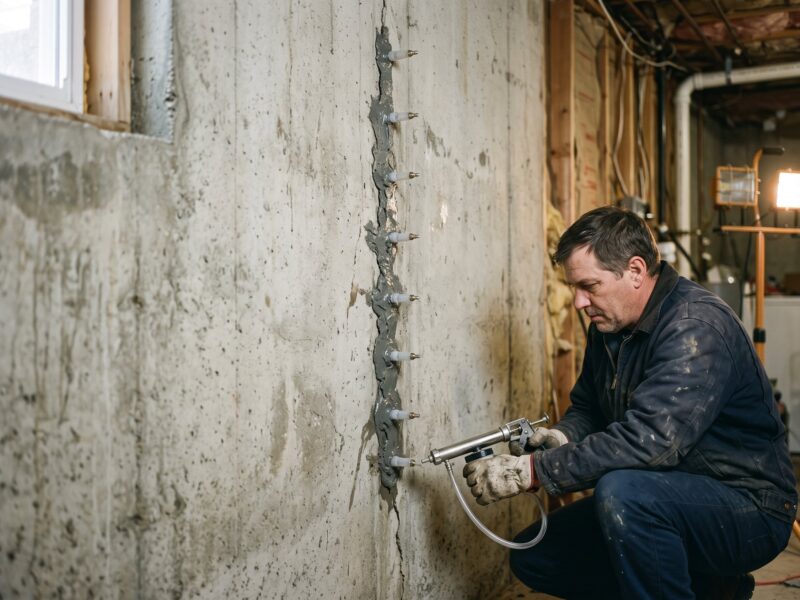
 Sharp edges and clean faces: the signature of a crack that is recent, not historic.
Signs you need foundation repair in Sycamore
Six symptoms drive Sycamore structural calls, and in this town the age of the evidence matters as much as the evidence itself. Weathered and stable reads very differently from sharp and new.
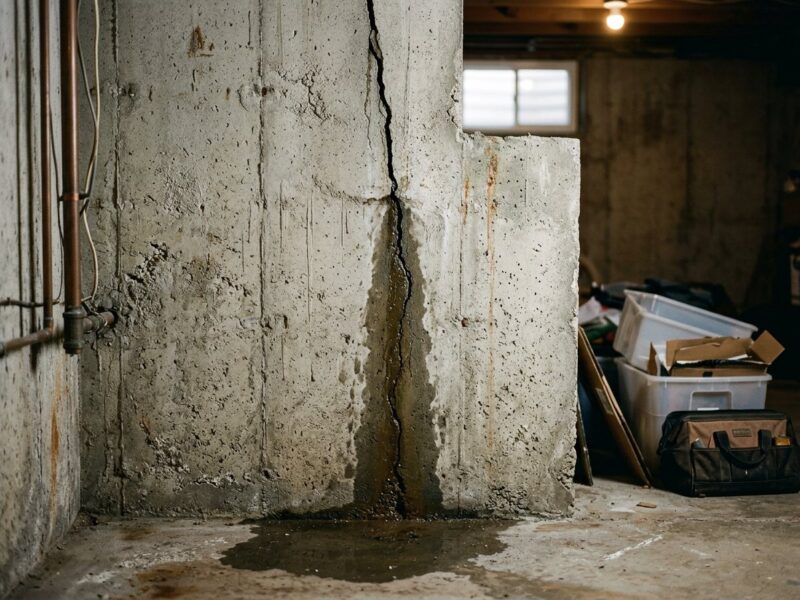
A clean, sharp-edged crack in old masonry
On a wall that is a hundred and forty years old, fresh faces and crisp edges mean recent movement. This is the one historic-district symptom that always earns a measurement.

Mortar turning to sand
Joints you can rake out with a finger mean the lime mortar is at the end of its cycle. Caught now it is repointing; ignored, the wall starts shedding stones.

A bulge in a stone or rubble wall
Gravity walls telegraph distress by bulging out of plane. This is careful-hands territory: relief and rebuilding of the affected section, never aggressive jacking.
Doors sticking in a newer house
Off the district, doors that quit latching and floors that slope point at settlement or a tired beam. The elevation survey tells you which, and the beam is the cheaper answer.

Stair-step cracks at an addition seam
Where new construction meets an old foundation, the mortar joints map the differential movement between them. Common in Sycamore, and very readable once measured.

A springy or sagging floor
A century of load takes a toll on wood framing before it touches the foundation. Columns, footings and beams from the published ranges usually solve it outright.
New crack in a very old wall? That combination is exactly what we measure for. The structural inspection is free, and we show you how to read it yourself.
How does foundation repair work in Sycamore?
A Sycamore foundation repair runs four steps: date the evidence, measure the movement, match the method to the material, verify the result. Most repairs finish in one to three days.
Date the evidence
On historic walls we separate weathered, paint-filled, long-stable cracks from clean recent ones, and we walk you through the telling so you can read your own wall afterward. Free, within 48 hours.
Day 0Measure and decide
Crack gauges, elevations and deflection numbers turn opinion into data. On a house of real age, anything approaching underpinning gets a structural engineer's opinion before it gets a price.
Day 0, same visitRepair in the right material
Lime-based mortar for the old masonry, urethane, carbon, steel or piers for the newer stock, installed by our own crew against the day-zero numbers.
Days 1 to 3Warranty to the address
Structural work carries the 25-year transferable warranty, registered to the house, with the measurement file included for whoever owns it next.
On completionReinforce or rebuild: what do Sycamore walls actually need?
Most Sycamore walls that worry their owners can be stabilized in place, and on the historic stock that restraint is not just cheaper, it is correct: a wall that holds itself up by mass wants relief and repointing, not demolition.
| Stabilize in place | Excavate and rebuild | |
|---|---|---|
| Best for | Stable historic walls, mortar loss, live movement caught early | Sections genuinely sheared, collapsed or beyond relief |
| On National Register stock | Preserves the original fabric the district is listed for | Replaces irreplaceable material; a true last resort |
| Mortar | Soft lime-based, matched to the original wall | New construction standards, alien to the old masonry beside it |
| Cost | $450 injections to $3,000 piers, per published ranges | Tens of thousands per wall, plus engineering and landscape |
| Time | One to three days for most repairs | Weeks, with shoring under a house built before shoring specs |
| Warranty | 25-year transferable, registered to the house | Varies by scope; insist on it in writing |
Underpinning a nineteenth-century wall is real and occasionally right, but it is a serious intervention. On a house of that age we want a structural engineer's sign-off before recommending it, and we will say so instead of quoting it as routine.
When do Sycamore foundations move?
Sycamore structural movement follows two calendars at once: the seasonal swing of farm clay under the newer stock, and the slower moisture cycle that works on historic mortar year over year.
Spring: the reveal
Wet clay swells and the winter's freeze damage shows itself. New cracks in old walls are easiest to spot now, while their edges are still clean. The best season for a first measurement.
March to MaySummer: shrink season
Drought pulls the flat farm clay tight and the newer subdivisions do most of their settling. Doors stick, corners drop, and the historic district mostly watches from its higher ground.
June to AugustFall: repointing season
Mild, dry weather is when lime mortar work cures properly. Masonry repairs booked in fall finish before the freeze starts prying at open joints again.
September to NovemberWinter: interior season
Frost works on exposed masonry outside, but injection, carbon fiber, bracing, columns and beam work all happen indoors at full speed. The easiest season to book a Sycamore slot.
December to FebruaryHow much does foundation repair cost in Sycamore?
Foundation repair in Sycamore costs $450 to $900 for crack injection, $600 to $1,000 per carbon fiber strap, $900 to $1,500 per steel beam, and $1,600 to $3,000 per pier, the same published ranges we hold in every town. Historic repointing is masonry craft, scoped by the square footage of affected wall at the free inspection.
| Work | Range | What moves the number |
|---|---|---|
| Urethane crack injectionper crack | $450–$900 | Crack length and width, access to the full height |
| Carbon fiber strapsper strap | $600–$1,000 | Wall height, spacing the deflection requires |
| Steel I-beam wall bracingper beam | $900–$1,500 | Ceiling height, footing condition at the base |
| Push or helical piersper pier | $1,600–$3,000 | Depth to load-bearing strata, access for equipment |
The full structural table lives on the pricing page; your written Sycamore quote lands inside it.
Where we repair foundations in Sycamore
The structural calls track the town's map cleanly. The historic district and the blocks around State Street and Somonauk Street send stone, rubble and early brick questions: crumbling mortar, a bulge in a rubble wall, a sharp new crack in a very old surface. The Peace Road and Route 64 corridors send conventional settlement, sticking doors and poured-wall cracks. The Kishwaukee corridor adds the occasional moisture-driven mortar problem where the two trades overlap. All of it is ZIP 60178.
Sycamore is a real drive for us, an hour and a half or so, and we make it work by batching: Sycamore and DeKalb jobs get scheduled together, so inspections are planned appointments inside 48 hours rather than a someday promise. When a wall deserves monitoring over months, the re-measurements ride the same batch schedule.
 Reading a wall before touching it: the habit old foundations reward.
Sycamore foundation repair questions, answered straight
My Sycamore house is from the 1880s. Are the foundation cracks original?
Many will be, and that is genuinely good news. A rubble or stone wall of that age moved, found its bearing and stopped, usually generations ago. Historic cracks tend to be wide, weathered, and filled with old mortar or layers of paint. The ones that earn attention are clean, sharp-edged and recent, and at the inspection we show you how to tell the difference rather than just declaring it.
Can a historic Sycamore foundation be underpinned?
Yes, and occasionally it should be, but it is a serious intervention on a structure that holds itself up by mass rather than by reinforcement. On a house of this age we want a structural engineer's opinion before recommending underpinning, and we will say exactly that instead of quoting it as routine work.
What mortar should be used to repoint my old stone wall?
A soft lime-based mortar, never modern portland. Portland cures harder than the historic stone and brick around it, so instead of the joints absorbing the seasonal movement, the masonry does, and over a couple of decades the stone faces spall off. This repair gets done wrong constantly, and undoing it costs far more than doing it right did.
How much does foundation repair cost in Sycamore?
The published ranges hold here: $450 to $900 per injected crack, $600 to $1,000 per carbon strap, $900 to $1,500 per steel beam, $1,600 to $3,000 per pier, and $1,500 to $3,200 per support column. Historic repointing is quoted from the measured wall area at the free inspection, because no two old walls carry the same scope.
Does a repaired or repointed foundation hurt resale in the historic district?
Done right, it helps. Buyers drawn to a National Register district expect a nineteenth-century foundation and want evidence it has been maintained in the correct materials. Our work leaves a packet: measurements, photos, the mortar specification and a 25-year transferable warranty registered to the address, which answers the buyer's inspector before the question gets awkward.
Does homeowners insurance cover foundation work on an old house?
Usually not. Standard Illinois policies exclude damage from settlement, soil movement and gradual deterioration, which describes nearly every foundation problem an old house develops. That exclusion is the practical argument for catching mortar loss at the repointing stage instead of the rebuilding stage.
How do I choose a foundation contractor for a historic Sycamore house?
Ask what mortar they would repoint with; the answer sorts the field immediately. Then ask whether they measure before they quote, whether their pricing is published, and what they do when a wall of real age needs more than their standard tools. A contractor who treats an 1880s rubble wall like a 1990s poured wall has told you everything you need.
The crack is where our addition meets the original house. Is that serious?
It is the most common live crack in Sycamore, and it is measurable. An addition on modern footings moves on a different schedule from a nineteenth-century wall, and the seam records the difference. A gauge across the crack over a season tells us whether it is still moving; stable seams get sealed, active ones get the addition's footing addressed, often with piers.
Is the old wall wet as well as worn?
Moisture is the historic district's slow-motion structural threat: water moving through soft mortar is what dissolves it, and gutters, grading and drainage are how you slow the clock. If your stone wall is damp as well as crumbling, one visit scopes the masonry and the water together, in the right order.
Basement Waterproofing in Sycamore
Foundation repair near Sycamore

Give the old wall the reading it deserves
A free structural inspection within 48 hours, repairs in materials that respect the wall's age, and a 25-year transferable warranty that transfers with the house.
Or talk to a human right now
(630) 335-1128
Request your free estimate
Tell us what you're seeing. We'll call back fast and be out within 48 hours.