Foundation Repair in Oak Park, Illinois
Oak Park foundations are older and more significant than almost any we touch: stone under Victorians, brick under four-squares, unreinforced early concrete under Prairie houses. Repairing them is a craft of restraint, done from the inside wherever the district asks it, measured before and after, covered by a 25-year transferable warranty.
- Structural warranty: 25-year transferable
- Published pricing: injection from $450, piers from $1,600
- Free structural inspection within 48 hours
 25-year transferable warranty
Who does foundation repair in Oak Park?
ProSeal Basement Waterproofing repairs foundations across Oak Park, with crack injection at $450 to $900, wall reinforcement at $600 to $1,800 per strap, beam or anchor, and settlement piers at $1,600 to $3,000 each, every price published before an estimator sees your wall and every structural repair covered by a 25-year transferable warranty.
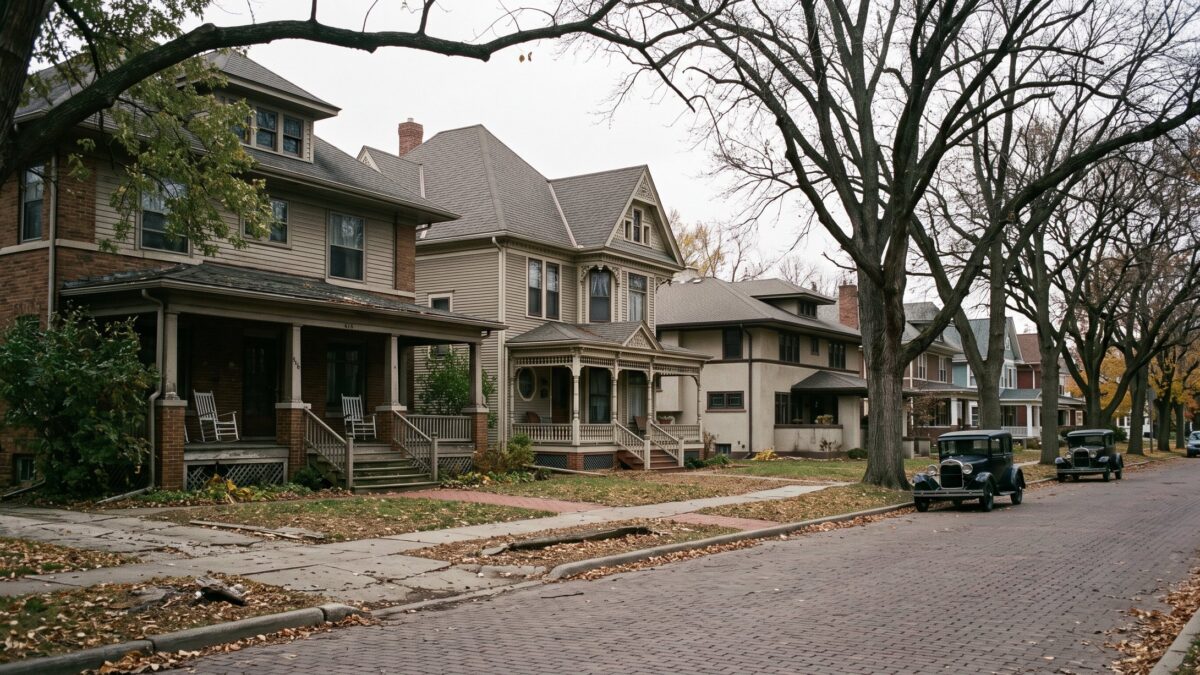
These are hundred-and-twenty-year-old structures and they deserve a contractor who treats them as such. Stone that moves, brick that sheds mortar and early poured concrete with no reinforcement each fail in their own way, and none of them tolerates the standard subdivision playbook. Add historic districts that constrain exterior work on many addresses, and the right Oak Park repair is almost always the careful interior one.
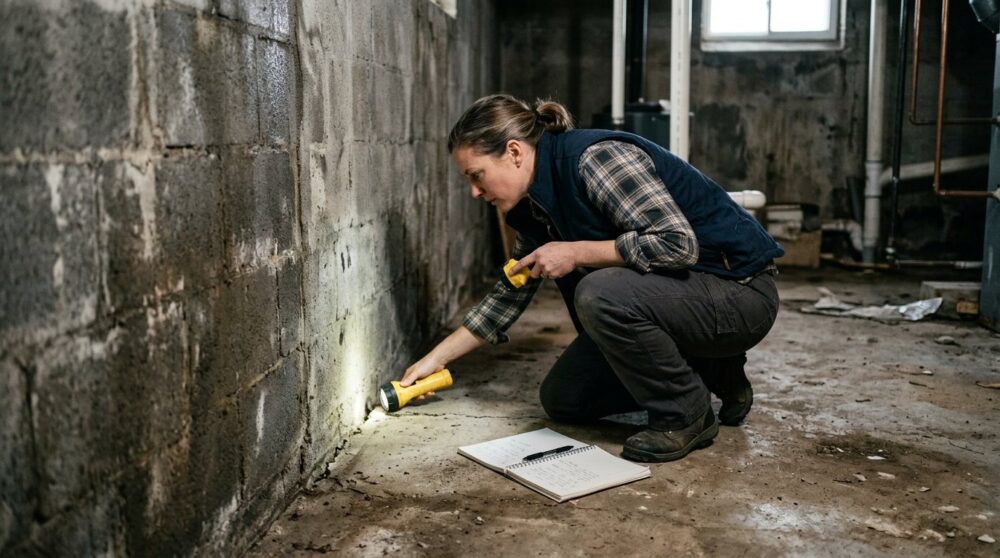 The measurement comes first: a century of movement, documented in numbers.
What does foundation repair in Oak Park include?
Six structural tools cover what pre-1930 housing breaks, and the written plan always starts from the cheapest fix the wall will actually accept. On unreinforced walls that is often an injection, not a bracing job.
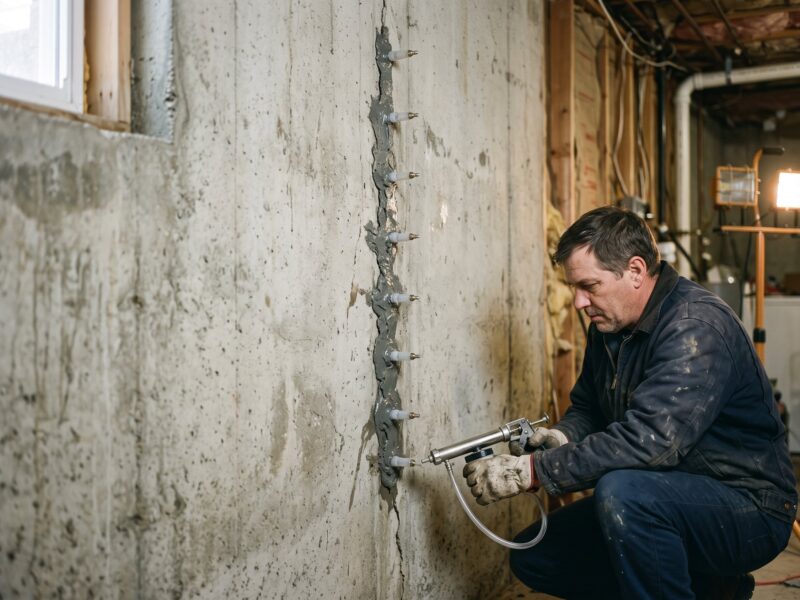 Urethane crack injection
Vertical cracks in unreinforced early concrete sealed full depth in a morning.
Learn more
Urethane crack injection
Vertical cracks in unreinforced early concrete sealed full depth in a morning.
Learn more
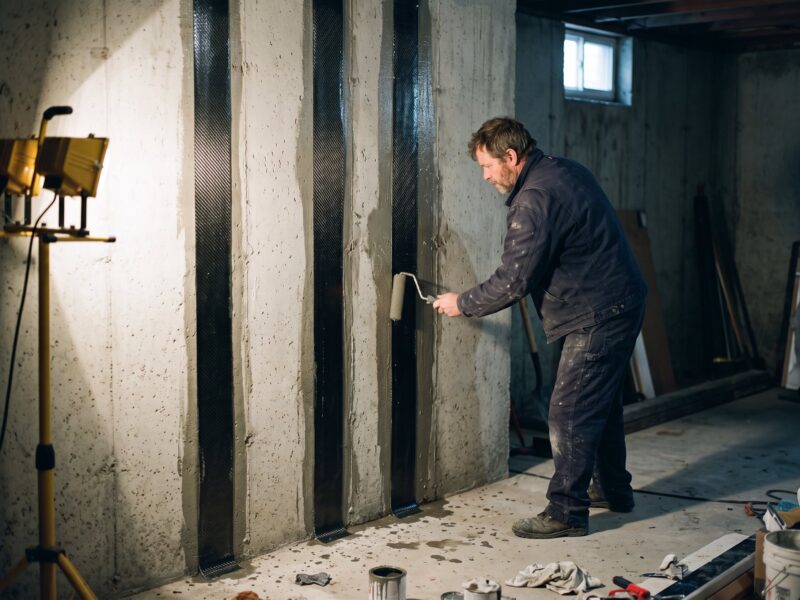 Carbon fiber straps
Low-profile reinforcement that adds tension strength old concrete never had.
Learn more
Carbon fiber straps
Low-profile reinforcement that adds tension strength old concrete never had.
Learn more
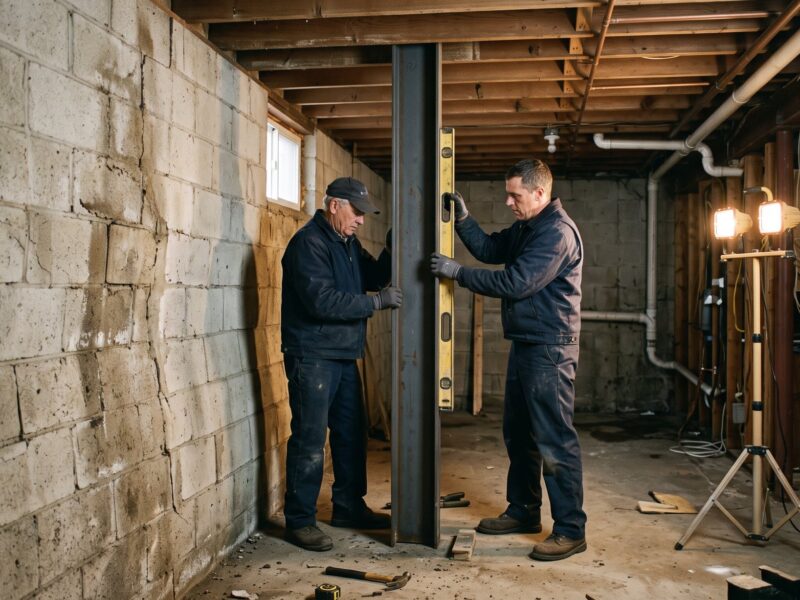 Steel I-beams & wall anchors
For masonry walls whose inward movement is past the light-touch stage.
Learn more
Steel I-beams & wall anchors
For masonry walls whose inward movement is past the light-touch stage.
Learn more
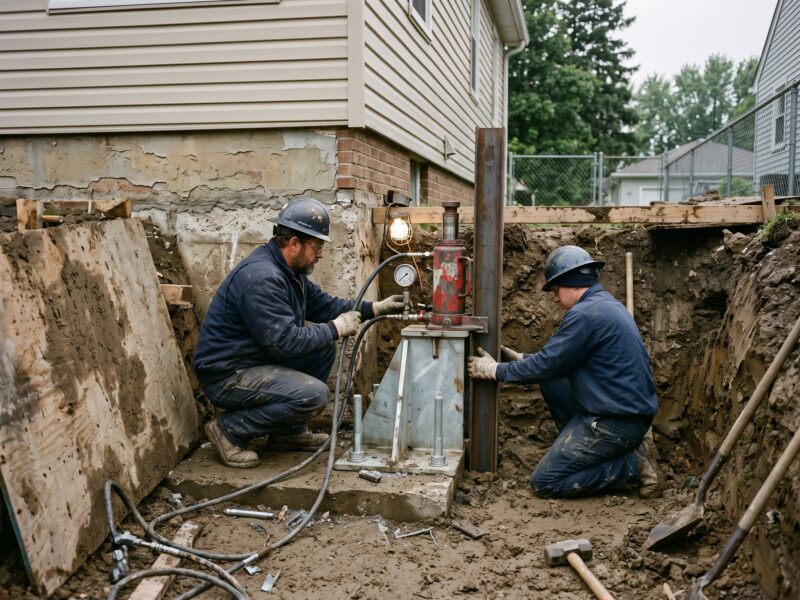 Push & helical piers
Driven from compact pits when a footing keeps settling into lakebed clay.
Learn more
Push & helical piers
Driven from compact pits when a footing keeps settling into lakebed clay.
Learn more
 House leveling
Columns, beams and footings under floors that have sagged for generations.
Learn more
House leveling
Columns, beams and footings under floors that have sagged for generations.
Learn more
 Not sure what you have?
A plain-language guide to what a century-old wall is telling you and how urgent it is.
Learn more
Not sure what you have?
A plain-language guide to what a century-old wall is telling you and how urgent it is.
Learn more
Why do Oak Park foundations crack?
Oak Park foundations fail along material lines, not neighborhood lines: stone moves, brick loses mortar, and unreinforced early poured concrete cracks in tension. Every fix has to respect a structure built before modern codes existed.

Stone under the Victorians
The oldest walls in the village stand by weight and friction, and they fail slowly: mortar washing out of joints, faces bulging, stones creeping proud of the wall. They want repointing, moisture relief and gentle reinforcement, never aggressive excavation beside them.

Brick under the four-squares
Brick foundations are mortar structures, and a century of freeze cycles and damp clay chews the joints. Stair-step cracking maps where the wall has moved. Caught early, the fix is masonry work and reinforcement rather than reconstruction.
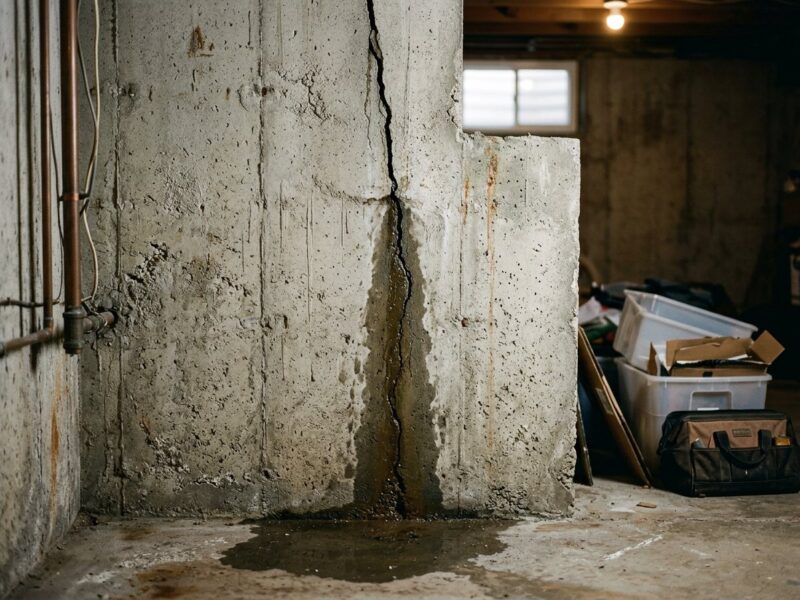
Early poured concrete, 1900s and 1910s
The first poured walls carry no rebar and a different aggregate from anything modern. Strong in compression, weak in tension, they crack vertically and they must never be undermined, so anything excavated near them is planned with real care.
What makes Oak Park foundations move after a century?
Oak Park foundations move because the flat lakebed clay beneath them never stops cycling: wet springs swell it against walls that were never designed for lateral pressure, and dry summers shrink it away from footings that have carried their load since before the First World War. A hundred and twenty years of those cycles is why a crack that has always been there still deserves a measurement, because age tells you nothing about whether movement is finished.
The village's historic districts shape the repair math as much as the soil does. Exterior excavation on a protected elevation is constrained on a significant number of addresses and sometimes ruled out entirely, which suits these walls fine: injection, carbon fiber, interior bracing and piers driven from small pits all work from inside or from minimal ground disturbance. Where an exterior approach is genuinely on the table, we say plainly that it may need village review before anyone commits.
 Elevation readings across a century-old floor: the movement, quantified.
Signs you need foundation repair in Oak Park
Six symptoms account for most Oak Park structural calls, and in pre-1930 housing the urgency ranges widely. A measurement sorts the watch-list items from the this-season items, and none of them heals on its own.

A horizontal crack or inward bow
Clay pressure actively pushing a wall inward, the most serious pattern on the list. Old masonry and unreinforced concrete have little reserve, so this one gets measured promptly, not watched.

Stair-step cracks in brick
The mortar joints record differential movement: one section of foundation traveling relative to the rest. Width, direction and freshness of the crack faces tell us whether it is history or news.

Doors out of square, floors out of level
When hundred-year-old doors stop latching and floors slope harder than the house's age explains, something below moved. Often it is a beam or column, which costs far less than foundation work.

A vertical crack in early poured concrete
Unreinforced walls crack in tension, so vertical cracks are the signature failure of the 1900s and 1910s stock. Most are stable and injectable; the inspection confirms it before anyone quotes more.

Floors sagging toward the middle of the house
In the older stock the culprit is usually the interior support line, posts and beams past their prime, not the perimeter foundation. Columns and footings fix it at a fraction of the imagined price.

Mortar washing out of stone or brick joints
Sandy residue and white staining below the joints mean moisture is dissolving the wall's binder. That is repointing and moisture relief territory, and it is far cheaper early than late.
Crack in a hundred-year-old wall getting wider? Get numbers on it before another wet spring moves it again. The structural inspection is free.
How does foundation repair work in Oak Park?
An Oak Park foundation repair runs four steps: identify the material, measure the movement, match the method, verify the result. Most repairs finish in one to three days of largely interior work.
Identify the material, measure the movement
Stone, brick or early poured changes every downstream decision, so the inspection starts there, then maps cracks and deflection in numbers. Free, within 48 hours.
Day 0Match the method to a pre-1930 wall
Repointing and relief for stone, masonry care plus reinforcement for brick, injection or carbon fiber for unreinforced concrete. On historic-district addresses the plan leans interior by design.
Day 0, same visitInstall and re-measure
The crew installs, torques to spec and checks the finished work against the day-zero numbers before leaving. Pier work logs drive pressures at every bracket.
Days 1 to 3Warranty to the address
Structural repairs carry the 25-year transferable warranty, registered to the house, which is exactly the paperwork a buyer's inspector wants to see on a century-old foundation.
On completionReinforce or rebuild: what do Oak Park foundations need?
Nearly every failing Oak Park wall can be reinforced in place, and in this village the case is stronger than usual: rebuilding means excavation, and on many addresses the historic district constrains or rules out exterior work while the interior route stays fully open.
| Reinforce in place | Excavate and rebuild | |
|---|---|---|
| Best for | Cracked, bowing or settling walls still structurally intact, which is most of them | Walls sheared or genuinely collapsing, a small minority |
| Historic districts | Interior methods leave protected elevations untouched | Exterior excavation may need village review and is sometimes off the table |
| On unreinforced early concrete | Injection and carbon fiber add the tension strength the wall never had | Excavation risks undermining a wall that cannot tolerate it |
| On stone and brick | Repointing, relief and measured reinforcement respect a gravity wall | Digging beside old masonry endangers the wall being saved |
| Cost | $450 injections to $3,000 piers, per published ranges | Tens of thousands per wall, plus excavation and restoration |
| Time | One to three days for most repairs | Weeks, with shoring, machinery and a torn-up historic streetscape |
If an estimator quotes a rebuild on a pre-1930 wall without measuring deflection first, get a second opinion. Ours is free and arrives with the numbers.
When do Oak Park foundations move?
Oak Park foundation movement follows the clay's calendar, and after a century the pattern is dependable. Each season has a cheapest moment to act on it.
Spring: push season
Saturated lakebed clay swells against walls built before lateral pressure was a design consideration. Bows advance, mortar joints open and stair-step cracks widen. Measurements taken now catch movement at its most visible.
March to MaySummer: shrink season
Dry spells pull moisture from the clay and let old footings ease downward. Doors that latched in May stick in July, and settlement cracks open over openings. The season for elevation surveys.
June to AugustFall: repair season
The clay calms, the weather cooperates, and reinforcement booked now is finished before frost. The unhurried time of year to repoint, strap or brace a wall properly.
September to NovemberWinter: interior season
Frost holds the top of every wall, but injection, carbon fiber, bracing and column work all happen indoors at full speed. In a village that prefers interior methods anyway, winter loses nothing.
December to FebruaryHow much does foundation repair cost in Oak Park?
Foundation repair in Oak Park costs $450 to $900 for crack injection, $600 to $1,800 per strap, beam or anchor for wall reinforcement, and $1,600 to $3,000 per pier for settlement, the same published ranges we hold in every town. Repointing on stone and brick is masonry craft, scoped at the free inspection rather than guessed at.
| Work | Range | What moves the number |
|---|---|---|
| Urethane crack injectionper crack | $450–$900 | Crack length and width, access to the full height |
| Carbon fiber strapsper strap | $600–$1,000 | Wall height, spacing the deflection requires |
| Steel I-beam wall bracingper beam | $900–$1,500 | Ceiling height, footing condition at the base |
| Push or helical piersper pier | $1,600–$3,000 | Depth to load-bearing strata, access for equipment |
The full structural table lives on the pricing page; your written Oak Park quote lands inside it.
Where we repair foundations in Oak Park
The structural map of Oak Park follows its architecture. The Frank Lloyd Wright and Ridgeland-Oak Park historic districts send stone and brick work: repointing, bulge relief and owners who rightly want nothing visible from the street. The Hemingway District and the blocks between the Lake Street and Austin Boulevard corridors send unreinforced early poured walls with vertical cracks and the occasional bow. Around the Harrison Street Arts District and the Avenue, the calls run to sagging beam lines and columns under floors that have carried a hundred years of living. ZIPs 60301, 60302 and 60304 are all covered.
Oak Park sits at the northern end of our regular map, a forty-five minute to one hour drive we make constantly on scheduled blocks. That grouping is also how monitoring works here: when a wall deserves re-measurement rather than immediate steel, the return visit rides the next Oak Park block instead of costing you anything.
 Pre-1930 stock: the architecture above depends on the judgment below.
Oak Park foundation repair questions, answered straight
Can you repair a foundation in an Oak Park historic district?
Yes, and the district constraint usually pushes the work inside, which on a house of this age is often the better engineering answer anyway. Injection, carbon fiber, bracing and interior pier pits leave the elevations alone. Where exterior work is proposed, we tell you plainly that it may need village review, and we will not start something that becomes a permit problem for you.
My foundation is early poured concrete with no rebar. Is that a defect?
No, it is a fact about your house. Unreinforced concrete from the 1900s and 1910s is strong in compression and weak in tension, which is exactly why it shows vertical cracks and why urethane injection performs so well on them. What it will not forgive is being undermined, so any excavation near it gets planned with genuine care.
Who repoints stone and brick foundations in Oak Park?
We do, and the village keeps that skill busy. Mortar is the sacrificial part of a masonry foundation, meant to be renewed, and a wall shedding sandy joints wants repointing plus relief of the moisture that dissolved them. A contractor who quotes your stone wall the same fix as a subdivision basement has not understood the wall.
How much does foundation repair cost in Oak Park?
The same published ranges we hold everywhere: $450 to $900 per injected crack, $600 to $1,000 per carbon strap, $900 to $1,500 per steel beam, $1,000 to $1,800 per wall anchor, $1,600 to $3,000 per pier. Masonry repointing on stone and brick is scoped at the free inspection because every old wall is its own case.
Do piers work in Oak Park's lakebed clay?
Yes. Push and helical piers drive down through the weak clay until they reach strata that refuse further advance, then transfer the footing's load to that depth. The equipment works from compact pits, which suits tight village lots, and the drive logs record the depth and pressure at every bracket as proof.
The crack in my wall has been there for decades. Do I still need it looked at?
A measurement, yes; a repair, maybe not. Age alone does not prove a crack is finished moving, because the clay under Oak Park cycles every single year. We measure width and deflection, and if a return check shows no change, the honest answer may be nothing but monitoring. If it is moving, you caught it at the cheap stage.
Does homeowners insurance cover foundation repair on an old Oak Park house?
Usually not. Standard Illinois policies exclude damage from soil movement and hydrostatic pressure, which describes most foundation trouble regardless of the house's age. That exclusion is the practical argument for fixing a wall at the injection or strap stage instead of waiting for the five-figure stage.
Will foundation repair hurt the value of an architecturally significant house?
Documented repair protects it. A buyer's inspector will find the crack either way; what changes the conversation is a packet with day-zero measurements, photos, the engineering logic and a 25-year transferable warranty registered to the address. On significant houses especially, invisible interior repairs with clean paper read as stewardship, not damage.
Is the moving wall also wet?
On foundations this old the two problems are the same story told twice: the moisture that dissolves mortar and cracks unreinforced concrete is the moisture the clay holds against the wall every wet season. If the wall you are watching also weeps in spring, one inspection covers both trades and sequences the fixes correctly.
Basement Waterproofing in Oak Park
Foundation repair near Oak Park

Give a hundred-year-old foundation the care it was built for
A free structural inspection within 48 hours, methods matched to stone, brick or early poured concrete, and a 25-year transferable warranty that transfers with the house.
Or talk to a human right now
(630) 335-1128
Request your free estimate
Tell us what you're seeing. We'll call back fast and be out within 48 hours.